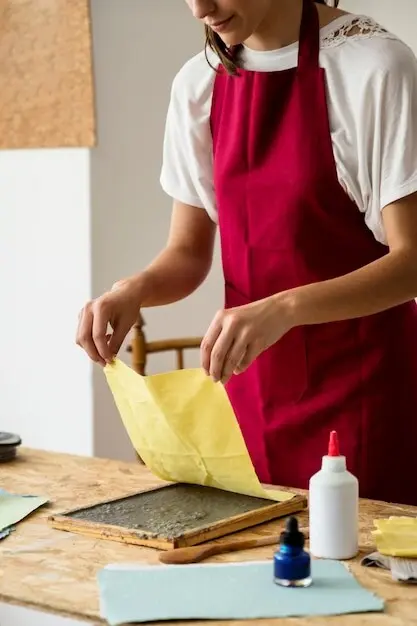
Handmade with a Clear Conscience in Slovenia

We’re exploring sustainable materials and ethical sourcing shaping Slovenia’s handcrafted goods, following Alpine wool, responsibly managed beech, river clay, and fair-pay workshops. Discover how transparent partnerships, careful harvesting, and circular design protect landscapes and livelihoods while creating objects you’ll cherish, repair, and proudly pass along.

Alpine wool that respects pasture cycles

Shepherds tend Jezersko–Solčava flocks with rotational grazing that protects alpine meadows and water sources. Fleece is washed carefully to limit detergents and wastewater, then sun-dried when skies permit. Natural colorways and plant-based dyes from walnut hulls or onion skins keep tones rich while avoiding harsh chemistry from fiber to finished knitwear.

Beech and maple from community forests

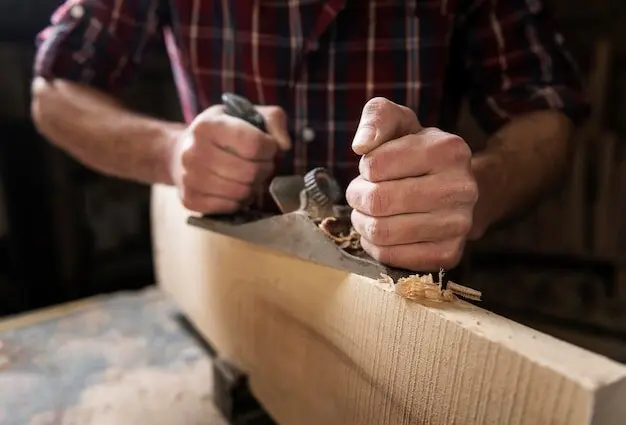
Community foresters practice close-to-nature management, selecting individual beech or maple trees rather than clear-cutting and using horse skidding on steep slopes to reduce soil compaction. Boards are air-dried under eaves to save kiln energy, while offcuts heat workshops or become utensils, minimizing waste and honoring each tree’s decades of growth.

Clay, linen, and hemp with gentler processing

Local clay pits operate with rehabilitation plans, returning quarried land to meadow or young forest after extraction. Many studios fire with efficient electric kilns powered by Slovenia’s renewables mix, while linen and hemp rely on dew-retting, mechanical processing, and plant oils or water-based finishes that keep toxins and microplastics safely away from homes.


Fair Hands, Fair Wages across the Supply Chain

Equity begins where materials are gathered and continues through spinning, carving, weaving, and selling. Makers publish cost breakdowns, respect living-wage benchmarks, and sign written agreements with shepherds and foresters. Clear timelines, deposits, and dispute pathways protect everyone, building trust that lets creativity flourish without exploiting people, traditions, or the breathtaking places that nurture craft.

Proof You Can Trust: Certifications and Traceability

Honest standards turn promises into verifiable action. Look for FSC or PEFC on wood, GOTS-certified linen, and OEKO-TEX-tested textiles; ask about EU Ecolabel cleaners or glues. Increasingly, makers offer QR codes linking to digital passports that map origin, labor, and care instructions, preventing greenwashing and rewarding those investing in measurable improvements.

Understanding FSC, PEFC, GOTS, and OEKO-TEX
These labels represent independent checks, not marketing slogans. FSC and PEFC guide responsible forestry and chain-of-custody, while GOTS covers organic fiber plus social criteria across processing. OEKO-TEX screens harmful substances in textiles. Read scope statements carefully, verify certificate numbers, and favor suppliers who explain limits openly instead of hiding behind vague icons.

QR codes and digital passports for object histories

A quick scan can reveal farm, forest compartment, mill, and maker, along with maintenance advice and repair options. Digital product passports, piloted across Europe, empower customers to choose better and help studios monitor compliance, recalls, and recyclability, turning each purchase into a living record that invites dialogue rather than secrecy.

Stories from the Studio and the Slope
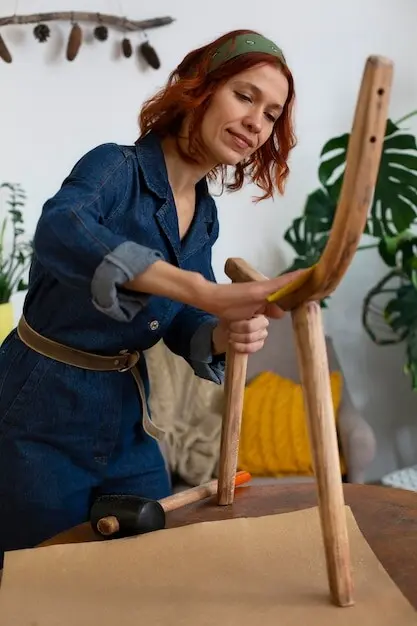
Principles come alive in personal journeys. In mountain hamlets and seaside towns, Slovenian artisans adapt old wisdom to modern constraints, balancing family, weather, and cash flow. These snapshots reveal how patient stewardship and fair dealing produce objects with warmth, resilience, and traceable origins that customers feel proud to display, use, gift, and inherit.

Five questions to ask before you buy

Where did the raw material grow, and who processed it? How is the price built, and who is paid along the path? What happens when it breaks? Makers who answer clearly deserve your trust; vague responses signal caution, inviting you to keep exploring until transparency arrives.

Decoding labels without greenwashing traps

Treat labels as starting points, not finish lines. Verify certificate IDs on official databases, check expiration dates, and ask which product stages are covered. Beware hollow phrases like eco or artisanal without evidence. Notes, photos, and receipts create a personal archive that helps you compare claims and support the best.

Caring, repair, and end-of-life take-backs

Sustainability continues after purchase. Choose care instructions that conserve water and energy, mend instead of discarding, and explore studio repair services. Many Slovenian makers now pilot take-back schemes, offering credit for worn items they disassemble or recycle, transforming responsibility into a relationship that grows stronger with time, use, and shared accountability.

Designing Tomorrow’s Heirlooms with Circular Thinking

Long life is planned, not accidental. Slovenian studios prototype modular parts, specify reversible joints, and document materials for future recycling. Collaborations with engineers, shepherds, and foresters reduce waste at the drawing board, while repair tutorials, spare parts, and buy-back programs keep cherished pieces in circulation, deepening attachment and shrinking environmental footprints year after year.
Mexotavolentonovi
Privacy Overview

This website uses cookies so that we can provide you with the best user experience possible. Cookie information is stored in your browser and performs functions such as recognising you when you return to our website and helping our team to understand which sections of the website you find most interesting and useful.